Best Apps to Make Friends in 2026, Compared Side by Side
Four apps promise you new friends, and each one starts you somewhere different. Here's which one gets you a close friend, and where the others fall short.
Team Alyke

Search “best app to make friends” and you get the same lineup every time. One app has you waving at strangers, one books you a dinner, one sends you to a group event. A week later the chats have stalled at “hey,” and you're no closer to someone you'd call on a Saturday.
That someone is the whole point. So which app leads you to a friend who fits, with the least time wasted?
The short answer: Alyke is your best bet for a close friend. Its feed opens on people who love the things you love and see the world the way you do, and you add one by commenting on their profile, so your first chat already has a topic.
How should you judge a friend app?
It gets you to the right person, fast. A team that tracked students while their friendships took shape found that similar backgrounds counted for less and less over time. What held friendships together were shared interests and personality traits.
That's the test for each option below. Does it put those people in front of you, and does it hand you something to talk about from the first message?
Is everyone else looking too?
More people than you'd guess. Pew Research Center's 2026 survey put around half of Americans under 30 in some online community. Of those members, roughly six in ten go partly to meet new people.
Lots of people are short on close friends, too. By 2021, 12 percent of Americans counted zero close friends. In 1990, it was 3 percent.
Every option, best first
Alyke
Built for: finding one close friend through shared interests and personality.
Alyke is built to help you find intentional friends, one person at a time. Most friend apps hand you generic recommendations. Alyke starts your feed with the people who share your vibe the most, based on your interests and personality instead of your looks. That's why it comes first: your time goes into conversations that have somewhere to go.
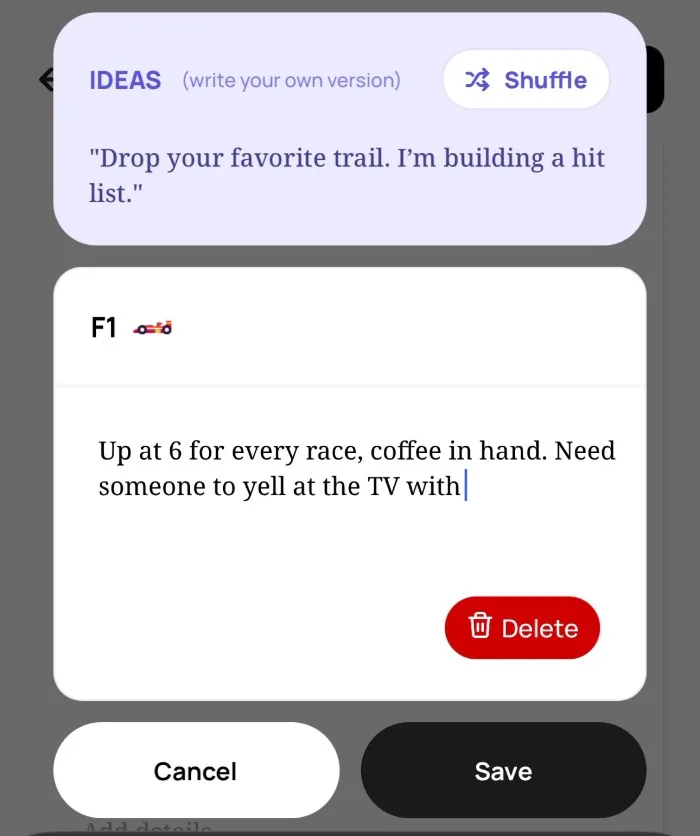
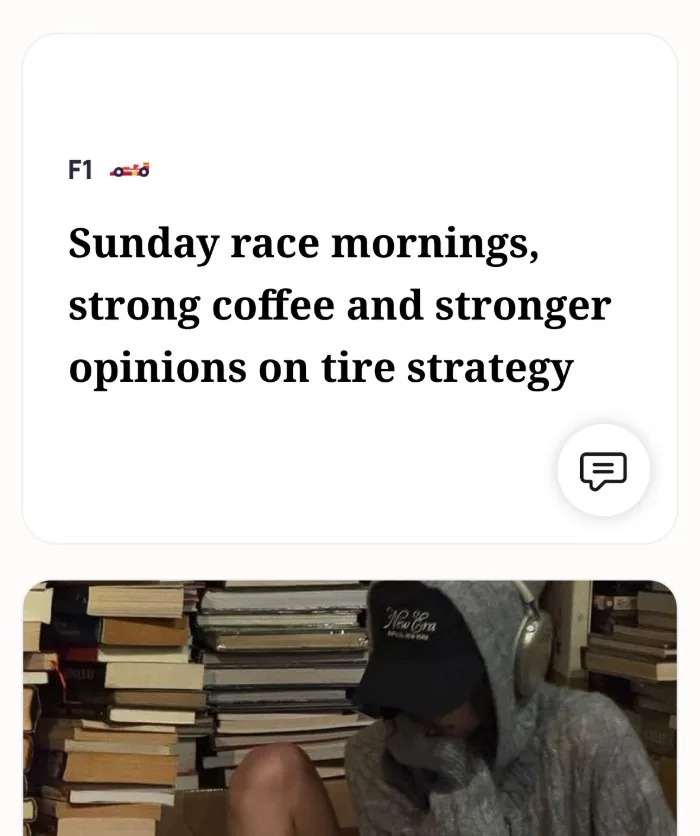
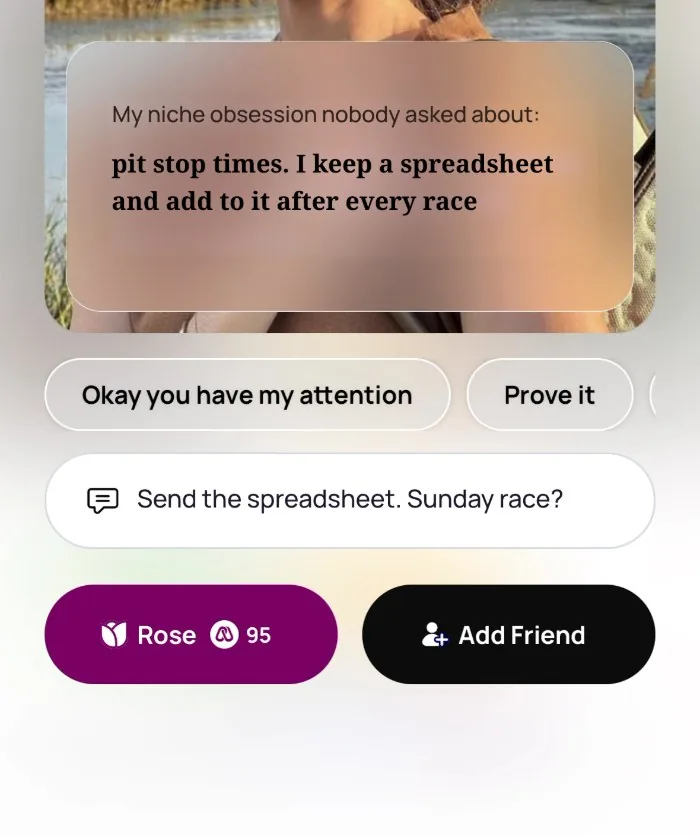
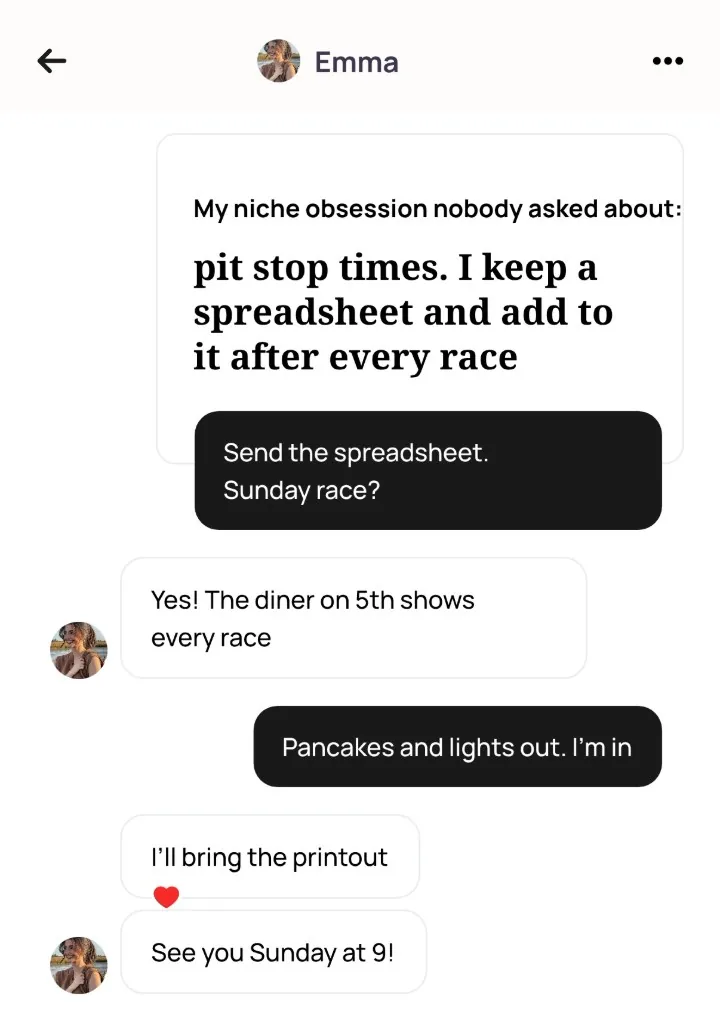
Here's how it works. Your profile has room for eight interests, each one with a line on why it matters to you, plus three personality traits and your answers to prompts like “My niche obsession nobody asked about:”. To make a friend, leave a comment on something they've shared. When they like your vibe in return, you're friends, and your comment is already sitting in the chat.
Bumble BFF
Built for: scrolling profiles and sending waves.
As of October 2026, the U.S. version is a standalone app called BFF. A wave is how you say hi, and a chat opens only when someone waves back.
The catch: nothing gets said in a wave. When the chat opens, it's blank, and one of you still has to come up with a first line.
Timeleft
Built for: an evening out with strangers someone else picked.
You take a short quiz, book a dinner, drinks, a coffee or a run, and Timeleft chooses your group. At dinner that means five new faces around one table, and you learn the venue and your group just before.
The catch: Timeleft decides who's at the table, and one evening gets split five ways. Any one-on-one time starts only after the event, if you connect in the app.
Meetup
Built for: showing up to group events on a topic.
Meetup runs on groups and the events their organizers host. You join a group, RSVP and show up, and the people going share an event chat.
The catch: you're one face among many, and nobody points you to the person you'd click with. Finding them is on you, one event at a time.
A rec league or a weekly class
Built for: seeing the same faces every week, offline.
In a national review, 86 percent of parks and recreation agencies ran team sports.
The catch: it's slow. Jeffrey Hall's research puts the time it takes to become casual friends at roughly 50 hours, which means months of weekly games.
All five options at a glance
| The people you meet | How you start talking | One-on-one? | |
|---|---|---|---|
| Alyke | Your kind of people, by interests and personality | From your comment on their profile | Yes |
| Bumble BFF | Strangers who wave back | An empty chat after a mutual wave | Yes, or Groups |
| Timeleft | Strangers it picks for you | A group chat shortly before | No, a group |
| Meetup | Whoever comes to the event | Small talk in the room | No, a group |
| A league or class | Whoever signed up | Small talk between games | No, a group |
If what you want is a close friend, start with Alyke. It begins where lasting friendships do, with shared interests and personality.
Questions people ask
Do any friend apps actually work?
Yes, when they get you from chatting to meeting, and then meeting again. That's harder when an app starts you with a wave, a group dinner or a group event, because you still have to find your one person. Alyke shows you one person at a time, starting with those who share your interests and personality, and you add someone by commenting on their profile. Suggest a plan within a week or two.
Are friend apps safe to use?
Yes, if you keep the same habits on any app: meet in a public place the first time, get there on your own, and tell someone where you'll be. It's also worth choosing an app that checks who's on it. Every Alyke member verifies their phone number and photos when they sign up, and verified profiles show a badge you can look for before you meet.
Is a friend app basically a dating app?
No. On a friendship app like Alyke, everyone is there to meet friends, and the profiles are built for that. An Alyke profile shows your interests, three personality picks and your answers to prompts, which are short questions such as "Be my friend. I come with...". To add someone, you comment on one of those, so your first conversation is about something you both like. Fill in your prompts with plans you'd enjoy.
What's the best app for making one close friend?
Alyke is a friendship app for iPhone made for exactly this: finding one friend at a time who shares your interests and personality. Its feed shows those people first, and you add someone by commenting on part of their profile, so every friendship starts with a real conversation. Group dinners and group events put you among strangers instead. Once you're chatting with someone, suggest a plan within a week or two.
Alyke, Bumble BFF, Timeleft or Meetup: which friend app should you choose?
Choose Alyke if you want a friend you'll actually see one-on-one. On BFF, the first hello is a wave with nothing said; Timeleft seats you with strangers it picks; Meetup puts you in a group event where you still have to find your person. Alyke shows you the people whose interests and personality are closest to yours, and every friend request is a comment on their profile. Start by adding your interests.
Is Alyke worth trying?
Alyke is worth trying if you have an iPhone and want friends you'll actually see one-on-one, especially ones who share your interests. It puts people with your interests and a similar personality first, members are phone and photo verified, and you start each friendship with a comment on something real. Alyke Pro adds filters for interests, personality, state and language. Add all eight interests so more people can find you.
Sources
- SCOOP. Shared interests and character traits play the biggest role in friendships over time, on Cowen, Stark, Frey and Flache, Social Networks (2025).
- Pew Research Center. Online community and connection in America, 14 Oct 2026 (survey of 9,750 U.S. adults, May 26 to June 1, 2026).
- Survey Center on American Life. The State of American Friendship, June 2021.
- Apple App Store. BFF: Make friends & meet up, checked 19 Oct 2026.
- BFF Help Center. Connecting with new people, updated 18 Mar 2026, checked 19 Oct 2026.
- Apple App Store. Timeleft: Make New Friends IRL, checked 19 Oct 2026.
- Timeleft. Home page, checked 19 Oct 2026.
- Timeleft Help Center. What are Post-Events Connections and Impressions?, updated 7 Oct 2026, checked 19 Oct 2026.
- Apple App Store. Meetup: Social Events & Groups, checked 19 Oct 2026.
- Meetup Help Center. Joining event chats and third-party messaging on Meetup, checked 19 Oct 2026.
- National Recreation and Park Association. 2024 NRPA Agency Performance Review (data 2021 to 2023).
- Hall, J. A. (2018). How many hours does it take to make a friend? Journal of Social and Personal Relationships. Summary: University of Kansas News, 6 Mar 2018.