How to Make Friends in Your 30s When Everyone Is Busy
Everyone's calendar is full, yours included. Making new friends in a busy week starts with one person and one standing plan.
Team Alyke

The group chat has been trying to find a night for dinner since spring. Two friends moved to the suburbs, one had a baby, and the one who's free keeps canceling because work ran late. Your weekends go to errands, and the only new faces you see are on work calls.
You'd like a couple of friends you can see without a calendar summit: people you click with who live close enough for a weeknight. That's still doable in your thirties, with a plan that fits the time you have. Here it is.
Who's worth your limited free time?
With less free time, you can't befriend everyone, and you don't need to. The friends worth the hours are the ones you click with: a personality that fits yours and a few interests you share, so a free evening with them feels like rest.
Similar people tend to end up friends anyway: across 295,320 people, friends turned out to be similar in personality, more than older surveys had shown. So be choosy about who, then consistent about when.
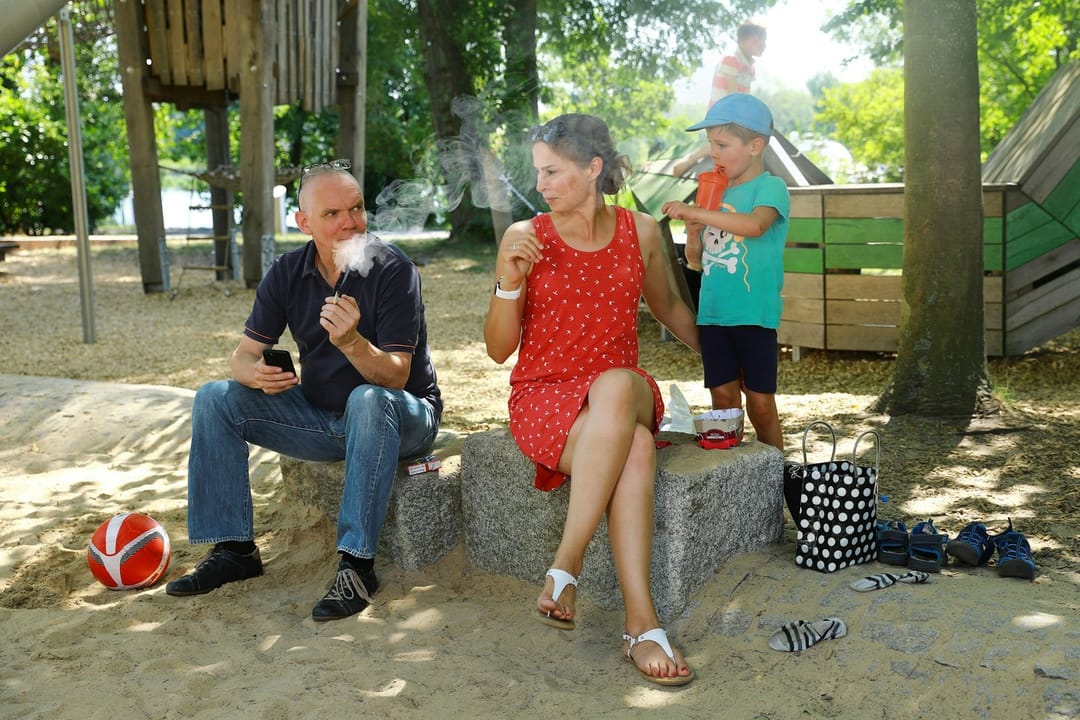
Is it normal to have fewer friends in your 30s?
Very. In a 2024 Harvard survey, adults 30 to 44 were the loneliest age group, with 29 percent saying they felt lonely frequently or always. Asked what drives loneliness, 62 percent pointed to people being overworked, busy or tired.
The time squeeze is real. U.S. adults 35 to 44 have less leisure time than any other age group, under four hours a day in 2025. If your social life shrank, blame the calendar. Plenty of people your age are feeling the same gap.
A friendship plan for a busy week
Going from acquaintance to casual friend takes around 50 hours together, and at two hours a week, that's about six months. So pick one person you already enjoy, like a coworker or a neighbor, and fit those hours into the week you have. Here's the plan, with what each step costs.
- Set one standing plan, weekly or every other week, at the same time and place: a Tuesday run, Thursday trivia, the Sunday market. Nobody has to schedule it again. One to two hours a week.
- Fold a friend into what you already do. Invite someone along on the dog walk, the grocery run, your gym class or your kid's Saturday game. No extra time.
- Go one-on-one. Two calendars line up far faster than six (more on one-on-one vs group for making friends). About an hour for coffee or a walk.
- Say the next plan out loud before you leave: “Same time in two weeks?” It saves a week of texting. Ten seconds.
- Check in between plans with a photo or a “saw this and thought of you.” People appreciate being reached out to more than we expect, and it's how you keep adult friendships going. Two minutes.

It's a plan you can keep, and it still takes nerve: inviting someone you barely know, then doing it again. If you'd like that first person pre-sorted by what you both love, there's a simpler route.
The easiest way to make friends when you're short on time
Alyke is built to help you find intentional friends, one person at a time. Most friend apps hand you generic recommendations. Alyke starts your feed with the people who share your vibe the most, based on your interests and personality instead of your looks. For a full calendar, that's the easiest way to start. It's one-on-one, so there's no group calendar to line up, just two people picking a time that works.
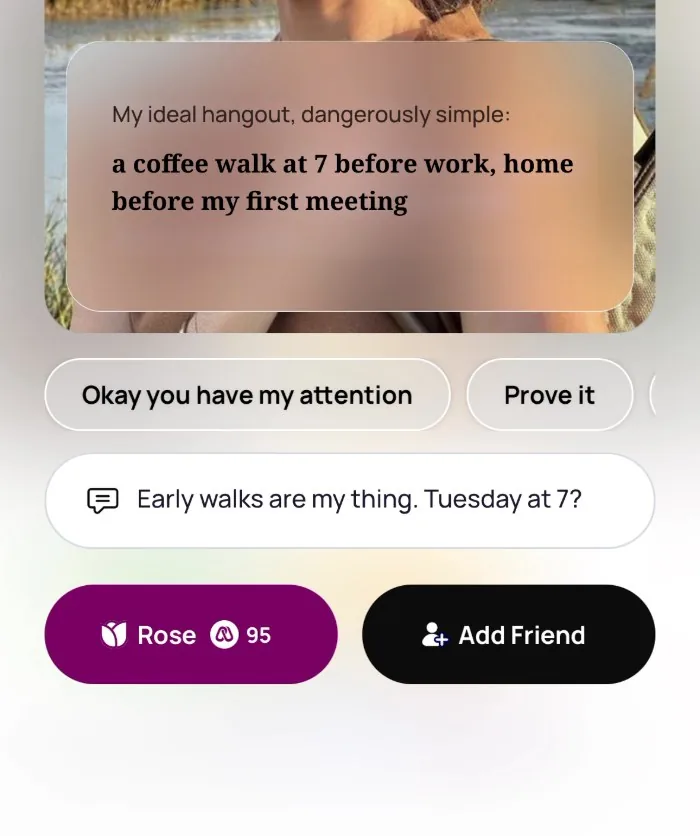
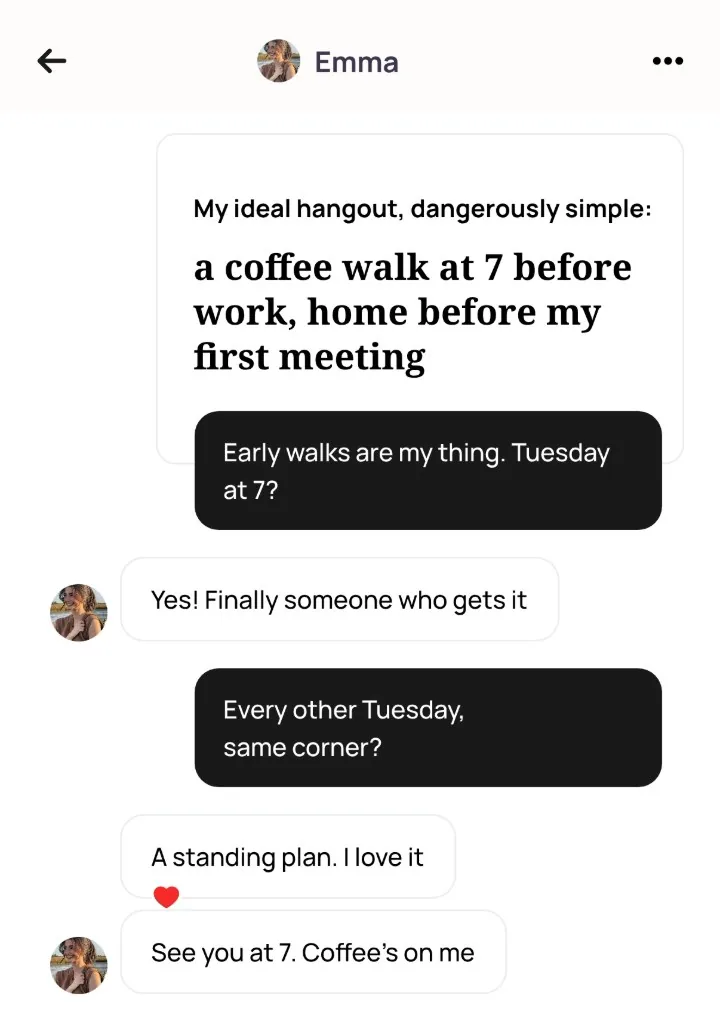
You add your interests and a line about each. When a profile clicks, comment on something specific, like their idea of a perfect early walk. That comment doubles as your friend request. They like your vibe too? Then you're friends, and your comment kicks off the chat.
Questions people ask
Can you make a friend if you only have a few hours a week?
Yes. Two hours a week adds up faster than it sounds. Hall's research at the University of Kansas puts friendship at about 90 hours together, so a regular weekly plan gets you there in under a year. On Alyke, you can find someone who shares your interests and turn that weekly slot into something you both enjoy, like a run or a cooking night.
How do you keep a new friendship going when you're both busy?
Attach it to something you already do, like a Saturday grocery run or a weekly workout, and keep the same day each week so it doesn't need planning. On Alyke, you and your new friend start from interests you both added to your profiles, so it's easy to see which routine the two of you could share.
Which friend app works best in your 30s?
One where people say clearly what they're into and how they like to spend time, so you don't waste evenings guessing. Alyke profiles show the interests someone has added, each with a short line about it, plus personality picks like Chill Hangouts or Energetic Spaces. Alyke Pro adds filters for interests and personality, so you can narrow things down faster.
Is there an app for making friends in your 30s?
Yes, Alyke is a friendship app for iPhone that helps adults in their 30s find new friends who share their interests. Profiles show up to eight interests, three personality picks and prompt answers, so you can quickly see whether someone's routine fits yours. Alyke Pro adds filters for interests, personality, state, language, ethnicity and star sign. List the interests you'd really make time for on a weeknight, like Cooking or Gym Workouts.
How do busy adults find friends with the same interests?
Alyke saves busy adults time by showing the people whose interests and personality are closest to yours first. You add a friend by commenting on something in their profile, such as their answer to the prompt "We'll be friends if...", and when they like your vibe, the chat opens with that comment. Once you're chatting, suggest a standing plan, like a monthly dinner, so the friendship doesn't depend on finding free evenings.
How does Alyke help you make friends when you're busy?
Alyke helps busy people make friends by putting shared interests first, so your first conversations start with something you both like. Every friend request is a comment on something in a person's profile, which gives each chat a real topic from the first message. Members verify their phone number and photos. In each interest's short sentence, say when you're usually free, like "Sunday mornings, any trail".
Sources
- Association for Psychological Science. Couples, friends show similarity in personality traits after all, 11 Feb 2017, on Wu, Kosinski, Schwartz and Stillwell, Psychological Science.
- Harvard Graduate School of Education. What is causing our epidemic of loneliness and how can we fix it?, Oct 25, 2024, on the Making Caring Common survey of May 2024.
- U.S. Bureau of Labor Statistics. American Time Use Survey, Table 11A: time spent in leisure and sports activities by selected characteristics, 2025 annual averages.
- Hall, J. A. (2018). How many hours does it take to make a friend? Journal of Social and Personal Relationships. Summary: University of Kansas News, March 2018.
- American Psychological Association. Friends enjoy being reached out to more than we think, July 11, 2022, on Liu, Rim, Min and Min, Journal of Personality and Social Psychology.